



















 English


Occupational burnout
What Is Occupational Burnout?
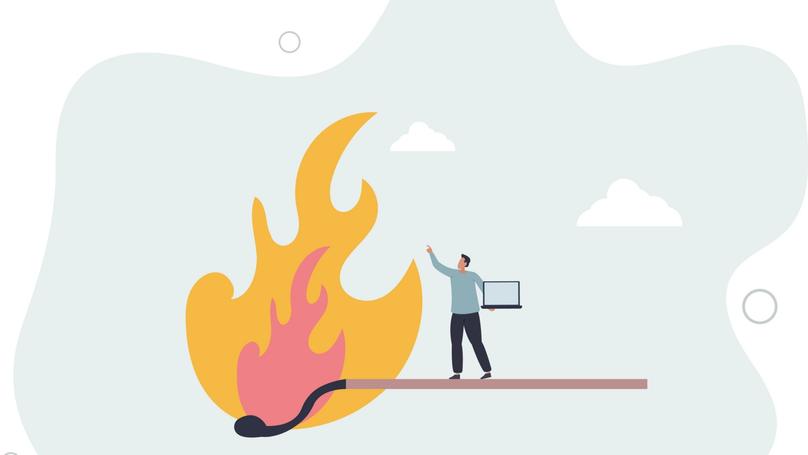
Occupational burnout is a syndrome resulting from chronic workplace stress that has not been successfully addressed or overcome promptly. This condition is characterized by emotional exhaustion, depersonalization, and reduced personal accomplishment. Unlike ordinary stress, burnout is a deeper and more prolonged state that can seriously undermine a person's physical and mental health, both at the workplace and in everyday life.
The severity and impact of occupational burnout on the workplace are difficult to overestimate. It affects not only an employee's well-being, reducing productivity, motivation, and engagement, but also the company as a whole. Burnout leads to increased staff turnover, lower quality of work, a rise in errors and conflicts, and, as a result, a worsening of team morale. In today's fast-paced world, where demands on employees continue to grow, the importance of this issue becomes increasingly evident, requiring immediate action.
Symptoms of Occupational Burnout
Occupational burnout is always accompanied by a set of characteristic signs that can be grouped into emotional, behavioral, physical, and cognitive. It's important to note that these signs of job burnout may appear differently from person to person, and their presence does not always directly indicate burnout. However, they are a strong reason to take a closer look at your condition. The most common occupational burnout symptoms include:
- Emotional exhaustion. Emotional exhaustion refers to a constant state of fatigue, overload, and inner emptiness at the same time. In practice, it appears as chronic tiredness, irritability, a sense of hopelessness, and a lack of motivation. Emotional exhaustion often builds gradually when a person works under high stress for a long period without enough recovery time. It is especially dangerous because it reduces the ability to feel compassion and empathy - something particularly critical in professions that involve communication and working with people.
- Depersonalization and cynicism. This symptom shows up as a detached and cynical attitude toward work and colleagues. A person may become indifferent to interpersonal relationships or even hostile. In real life, this can lead to disregard for coworkers' needs, sarcastic remarks, refusal to participate in team activities, and eventually conflicts. Depersonalization and cynicism often act as psychological defenses against overload and emotional exhaustion, but they can seriously damage relationships, professional ethics, and the overall office climate.
- Decreased personal and work effectiveness. This symptom is expressed through feelings of incompetence and dissatisfaction with personal achievements. A person begins to doubt their abilities, feels less productive, and struggles to cope with work tasks effectively. In daily life, this can appear as procrastination, unwillingness to take responsibility, and avoidance of complex projects. Simply put, the person quickly loses focus and becomes unable to complete even routine tasks, which only makes the situation worse, leading to helplessness and frustration.
- Increased irritability and aggression. In burnout, a person becomes more sensitive to stressors and prone to anger outbursts. Even minor failures or criticism can feel painful, resulting in arguments with coworkers, clients, and loved ones. The nervous system remains in a constant state of tension, making it harder to control emotions.
- Physical symptoms. Occupational burnout is often accompanied by physical symptoms such as headaches, digestive issues, insomnia, high blood pressure, and weakened immunity. Chronic stress negatively affects every system in the body and may contribute to the development of various illnesses.
- Cognitive impairments. Burnout can reduce concentration, memory, and decision-making ability. A person may find it difficult to focus on tasks, forget important details frequently, and make more mistakes. These cognitive difficulties lower productivity and increase the risk of professional errors.
Causes of Occupational Burnout

There are many factors that lead to occupational burnout among employees. These factors can be linked both to a person's individual characteristics and to working conditions and organizational issues. The main occupational burnout causes include the following:
- Heavy workload and long working days. Work overload and a lack of time for rest and recovery are among the most common causes of burnout. When a person constantly works at the limit of their capacity and has no opportunity to switch off and relax, both the body and mind become exhausted. Long working hours, lack of weekends or vacations, and constant availability for work (for example, checking emails outside working hours) contribute to chronic stress and burnout.
- Lack of control and support. Feeling helpless or powerless, when a person has little ability to influence their work or make decisions, is another major factor that can lead to burnout. A lack of autonomy and control over daily tasks, along with insufficient support from managers and colleagues, often creates a sense of isolation and helplessness. When someone feels their opinion doesn't matter and their efforts are not valued, they gradually lose motivation and interest in their job.
- Poor work-life balance. When there is no clear boundary between work and personal life, and work takes up most of a person's time and mental space, it creates the right conditions for burnout. Being unable to disconnect from work and spend time with family, friends, hobbies, and other important parts of life often leads to dissatisfaction and exhaustion. Without the opportunity to recharge and enjoy life outside of work, a person becomes more vulnerable to stress and burnout.
- Organizational factors. An unhealthy workplace environment, marked by intense competition, conflict, unfair treatment, and a lack of recognition, is a serious cause of burnout. Unclear goals and responsibilities, limited feedback, and few opportunities for professional growth, as well as low pay and poor working conditions, also contribute to burnout. Companies that ignore employee well-being and fail to build a supportive and positive work culture risk higher burnout rates and increased staff turnover.
Stages and Components of Occupational Burnout
There are various models that describe the components and stages of professional burnout. One of the most well-known is Christina Maslach's model; she even developed her own diagnostic tool, the MBI (Maslach Burnout Inventory). She identifies three key dimensions of burnout and assesses where a person falls on each scale within these areas:
- Emotional exhaustion. As mentioned earlier, this is a feeling of fatigue and emptiness when a person feels unable to deal with work-related demands, let alone cope with burnout itself.
- Depersonalization. A detached and cynical attitude toward work and colleagues, expressed through overly formal communication, dismissiveness, and indifference.
- Reduced personal accomplishment. A sense of incompetence and dissatisfaction with one's own achievements, leading to a loss of self-confidence and a drop in motivation.
At the same time, professional burnout always goes through the following stages of development:
- "Honeymoon." This stage earned such a poetic name for a reason. Much like the period after a wedding, when everything seems perfect and cloudless, at the beginning of a professional journey, a person feels excitement and enthusiasm. They are full of energy and inspiration, happily take on new projects, and look to the future with optimism. Work feels like an exciting adventure, and any difficulties seem like temporary obstacles on the road to success. This surplus of energy and happiness makes a person stay at work late, start additional projects, and neglect rest. Yes, this is where it all begins - with something good.
- The onset of stress. However, just like in family life, sooner or later, the idyll gives way to everyday routine. The first signs of stress appear: fatigue, irritability, reduced concentration, and sleep problems. A person starts to notice that the workload is growing, deadlines are closing in, and there is catastrophically little time left for rest. Minor setbacks feel painful, and communication with colleagues sometimes becomes tense.
- Chronic stress. If no steps were taken to reduce stress at the previous stage, it becomes chronic. This state is characterized by a constant feeling of being overwhelmed, emotional exhaustion, and physical ailments. Headaches, digestive issues, and insomnia become familiar companions. A person begins to feel cynical about their work, distances themselves from colleagues and clients, and loses interest in their professional responsibilities.
- Burnout. The peak stage is when all internal resources have been depleted. A person experiences complete emotional, physical, and mental exhaustion. They are no longer able to cope with work tasks and feel incompetent and useless. Symptoms of depression, anxiety, and social withdrawal appear. Work that once brought pleasure turns into a source of suffering.
- Chronic burnout. At this stage, burnout becomes an integral part of a person's life. Health problems worsen, relationships with others deteriorate, and the overall sense of meaning in life is lost. Serious mental health conditions may develop, such as depression, anxiety disorders, and even suicidal thoughts. At this stage, seeking professional help is urgently necessary. Coping with burnout on one's own is no longer realistic; sometimes the only thing that helps is leaving the job and taking an extended break (at least a month-long vacation).
Effects of Occupational Burnout
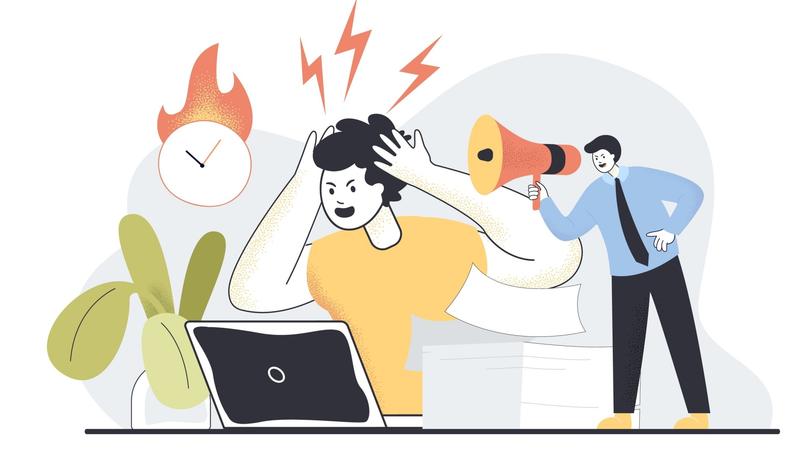
Burnout has a damaging impact on every aspect of a person's life: it undermines physical and mental health, worsens relationships with others, and reduces productivity.
When it comes to physical health, burnout contributes to the development of chronic stress, which in turn negatively affects all body systems. This can manifest as headaches, digestive problems, insomnia, high blood pressure, weakened immunity, and the development of various illnesses, including cardiovascular disease, diabetes, and autoimmune disorders.
The consequences for mental health are no less dangerous. Burnout is often accompanied by depressive states, anxiety disorders, panic attacks, and other mental health issues. A person experiences feelings of hopelessness, disappointment, and despair, and loses interest in life. Burnout can lead to social isolation, deteriorating relationships with loved ones, and substance abuse, including alcohol and drugs.
The impact of burnout on job performance and organizations is dangerous, not so much for the employee as for the organization they work for. First, burnout reduces employees' productivity, motivation, and engagement, which negatively affects overall organizational performance. Second, employees experiencing burnout are more likely to make mistakes, miss work, trigger conflicts with colleagues, and display a negative attitude toward customers. It also leads to higher staff turnover, resulting in significant costs associated with recruiting and training new employees. According to research, the economic losses in the United States due to burnout reach $300 billion per year in the form of reduced productivity, healthcare costs, and employee turnover (Harvard Business Review). A Gallup study also shows that burned-out employees are 63% more likely to take sick leave and 23% more likely to visit emergency departments.
Occupational Burnout vs. Stress: Key Differences
Although occupational burnout and stress often go hand in hand, it's important to be able to tell them apart because they are not the same thing. Stress is a response to specific demands and challenges that a person perceives as difficult or threatening. It can be short-term and even beneficial, mobilizing the body's internal resources to achieve a goal. Burnout, on the other hand, is a prolonged state of emotional, physical, and mental exhaustion that results from long-term chronic stress that was not addressed in time.
From the perspective of how they manifest, occupational stress vs. burnout differ in the following ways:
- Cause: Stress arises in response to specific stressors, whereas burnout is the result of prolonged exposure to chronic stress.
- Nature: Stress can be short-term and even useful, while burnout is a long-lasting and destructive condition.
- Symptoms: Stress is associated with increased anxiety, irritability, and sleep disturbances, whereas burnout manifests as emotional exhaustion, depersonalization, and reduced professional effectiveness.
- Attitude toward work: Under stress, a person may still maintain interest in work and stay motivated; with burnout, they lose interest completely, feel apathy or even aversion toward work processes, and may develop a cynical attitude toward their job and colleagues.
Prevention and Coping Strategies
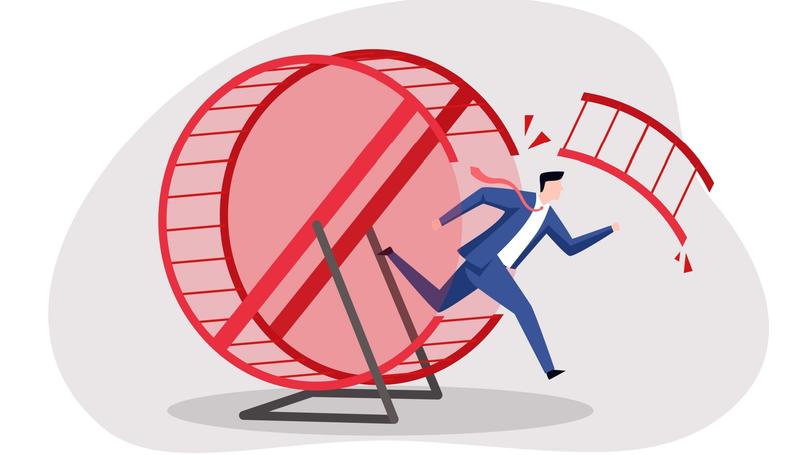
Preventing and coping with occupational burnout requires a comprehensive approach that includes both individual and organizational strategies. Individual strategies include:
- Setting boundaries. It is vital to establish clear boundaries between work and personal life by setting aside time for rest, spending time with loved ones, engaging in hobbies, and other meaningful activities that bring joy and satisfaction. This approach helps maintain emotional balance and prevent exhaustion.
- Self-care. It is important to pay attention to both physical and mental health: exercise regularly, follow a balanced diet, get enough sleep, and make time for relaxation and recovery. Consistent self-care practices help maintain overall well-being and reduce stress levels.
- Developing stress-management skills. Learning effective self-regulation techniques makes it possible to reduce the negative impact of stressors on both the body and the mind. Such methods may include meditation, breathing exercises, keeping an emotions journal, grounding techniques, relaxation practices, and other tools aimed at reducing anxiety and building resilience to stress.
- Seeking support. It's important to share your problems and worries with friends, family members, or colleagues, and, when necessary, to seek professional help. Communicating with supportive people helps reduce feelings of isolation and provides the resources needed for coping with difficulties. This also includes psychotherapy.
- Reassessing values. It is equally important to revisit your life values and priorities to make sure work does not take up an excessively large place in your life. Shifting focus to other meaningful areas, such as family, health, and personal development, helps restore balance and prevent burnout.
Organizational solutions to occupational burnout - strategies that should primarily be implemented by managers and business owners - include:ъ
- Building a healthy work environment. Leadership should actively foster a supportive and positive workplace where employees feel valued and respected. This involves encouraging open communication, ensuring fair performance evaluation, and providing opportunities for professional growth.
- Optimizing workload. It's important to monitor employee workload to prevent overload and ensure they have enough time for rest and recovery. This may include redistributing responsibilities, introducing flexible work schedules, and providing paid leave.
- Providing autonomy and support. Employees should be given more freedom in decision-making and greater control over their work, as well as comprehensive support and assistance in resolving issues as they arise. This helps increase engagement and reduce stress levels.
- Encouragement and recognition. Management should regularly acknowledge and reward employees' achievements to boost motivation and strengthen loyalty to the company. This may include bonuses, public recognition, and opportunities for career growth.
- Investing in learning and development. Creating opportunities for professional growth helps employees feel competent and confident in their abilities. This can include organizing trainings, workshops, and conferences, as well as funding professional development courses or programs focused on emotional intelligence and teaching stress-management techniques (as mentioned above).
When should you seek professional help? If you feel that you are unable to cope with burnout on your own, it is crucial to seek help from a qualified psychologist, psychotherapist, or physician. A specialist can objectively assess your condition, identify the underlying causes of burnout, and create an individualized recovery plan. Ideally, you should consult a doctor as soon as the symptoms described above persist for more than one month.
Occupational Burnout Statistics and Trends
Occupational burnout is a widespread issue in many countries around the world, and it can occur in virtually any field, from knitting baby booties to designing cottages and palaces. Research shows that burnout rates have been steadily increasing, especially among young professionals and service-industry workers.
According to the World Health Organization (WHO), in 2022, occupational burnout was included in the International Classification of Diseases (ICD-11) as an occupational syndrome linked to chronic workplace stress. This highlights the seriousness of the issue and the need to address it at both governmental and organizational levels. A 2021 Deloitte study found that 77% of employees had experienced burnout in their current job. The COVID-19 pandemic also worsened the situation, as many people were forced to work remotely under increased stress and social isolation.
Observations also show that burnout levels are higher among women, especially those who are raising young children alongside their jobs. This is largely because women often carry the primary responsibility for household tasks and childcare, which increases their overall workload and reduces their opportunities for adequate rest and recovery. In addition, higher burnout rates are noted among professionals in healthcare, education, and the social sector, where employees constantly face high emotional demands and pressure. According to some studies, the highest number of occupational burnout examples can be found among surgeons and emergency medical staff.
Frequently Asked Questions (FAQs)

Below, we answer the most common questions about occupational burnout that haven't been addressed so far:
How is occupational burnout diagnosed?
Occupational burnout is diagnosed based on a comprehensive assessment of symptoms and an analysis of a person's life context. A psychologist or psychotherapist conducts a structured interview and uses specialized questionnaires and tests to objectively evaluate levels of emotional exhaustion, depersonalization, and reduced professional effectiveness. An important step is excluding other possible causes that could explain the symptoms; for example, depressive disorder or anxiety-related conditions. If it turns out that your state is actually the result of intense but typical stress, a specialist can explain how to prevent occupational burnout and help you avoid letting it progress further.
Is occupational burnout a disease?
According to the updated ICD-11 classification, occupational burnout is a syndrome arising from prolonged emotional and physical strain in the workplace and is categorized as an occupational syndrome. However, it is important to note that burnout can create favorable conditions for the development of various illnesses, including depression, anxiety disorders, and cardiovascular diseases.
Which jobs have the highest levels of occupational burnout?
The highest levels of occupational burnout are typically seen in professions that involve high emotional involvement, intensive interpersonal interaction, a lack of control and support, and an unhealthy work environment. These professions include healthcare workers, teachers, social workers, law enforcement officers, finance-sector employees, and service-industry professionals.
Conclusion
Now you know what occupational burnout is. It is a serious issue that requires close attention and timely measures to prevent and address it. Preventing and overcoming burnout calls for a comprehensive approach that includes both individual efforts and organizational strategies. It is essential to monitor your emotional, physical, and mental well-being, set healthy boundaries between work and personal life, and not hesitate to seek professional help when needed.
Companies, in turn, should create a supportive workplace environment where every employee feels valued and respected, and provide opportunities for professional growth and development. Investing in burnout prevention is an investment in employee well-being and a key foundation for the company's and even the industry's sustainable development.