
















 English


Mobile Marketing

What is Mobile Marketing
Mobile marketing is a set of activities aimed at promoting goods and services to users of mobile devices. It leverages smartphones, tablets, and other gadgets to expand its target audience, using channels such as SMS, push notifications, in-app advertising, and mobile sites.
Mobile marketing is part of digital marketing, but it focuses specifically on mobile communications and includes various methods not only for acquiring but also for retaining customers via mobile platforms.
Today, smartphones are the primary means of communication and staying connected. According to Exploding Topics, people spend an average of 4 hours and 37 minutes per day on their phones-equivalent to 70 full days per year. More than half of the world's population owns a smartphone.
Types of Mobile Marketing
Mobile marketing encompasses many different tactics and audience interaction formats. Let's look at the key types:
- SMS Marketing and Push Notifications
This is the distribution of short text messages from a company to users' mobile phones. Push notifications are sent to customers from apps or company websites if they have allowed them. Messenger marketing is also distinguished by communication with customers-i.e., sending notifications-via messengers such as WhatsApp. Typically, this form of mobile marketing is used to inform about promotions and sales, remind about an order or payment, make a personalized offer, notify about bonus accruals, and so on. Advantages include a high open rate and the ability to automate.
- Applications and In-app
It's interesting that ten years ago, 89% of the time consumers spent on media was spent on mobile apps. and 11% on the mobile web. Over time, the share has continued to increase. Games and apps are now created not only as standalone products but also as additional promotional opportunities for existing goods and as auxiliary channels for communicating with the audience. Mobile advertising can even be embedded into app design. In-app implies that advertising is integrated directly into the app or game. For example, IKEA has developed its own app. In IKEA Place, users can point the camera at a given area-an office, living room, meeting room, or nursery-and transform the space in augmented reality. This allows them to experiment with different furniture (all items in IKEA Place are in 3D and true to scale) and colors.
- Web Advertising
These are banners, videos, carousels, and other ad formats placed in mobile apps and on smartphone-optimized sites.
- QR Codes
They can be placed on a wide range of media-from traditional business cards and storefronts to digital advertising displays. A QR code usually contains a link to a website, social media or messenger account, app, or a product page on a marketplace. After scanning, users are automatically redirected to the associated page. This quickly shares key information with users.
- Geolocation Marketing (GEO-targeting, Beacon, Geofencing)
This is the use of a user's location data to display personalized ads or notifications. It includes geofencing-sending messages when a user enters a defined area (e.g., near a café, beauty salon, or veterinary clinic)-and beacons, Bluetooth tags in stores that send pushes when a user is nearby. For example, GPS or Wi-Fi can determine where the mobile device-and therefore the user-is located. If they are near a specific point, such as a store, an ad message is automatically sent. This increases the likelihood they will visit the nearby store. According to Digital Alchemy, about 90% of surveyed marketers said geolocation marketing increased sales, customer base by 86%, and consumer engagement by 84%.
- Voice Search and Voice Assistants
This is the optimization of content and advertising for voice queries made via Siri, Google Assistant, etc. In addition, this approach includes automated calls (where the client decides to hang up or listen), voice bot assistants for consultations, and interactive voice response systems.
- AR and VR
Augmented and virtual reality technologies are widely used in marketing and are available on smartphones. For example, Tiffany & Co. offers virtual try-ons of jewelry via Snap-when the camera is pointed at the user, a lens with a particular piece appears on screen. Snap has already collaborated with Dior, Gucci, and Prada, using virtual try-on technology.
Benefits of Mobile Marketing
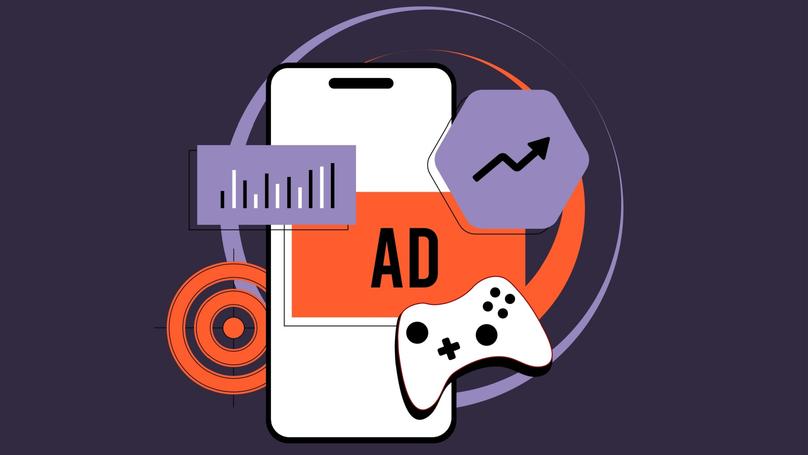
Mobile marketing has already changed-and continues to transform-consumer behavior. We are increasingly using smartphones for searching for information, communicating, shopping, and surfing the internet. For businesses, this tool provides:
- Wide reach. Mobile devices are almost universal, allowing companies to reach a vast audience.
- Personalization. Creating personalized offers for each customer increases engagement and loyalty.
- Data collection. Mobile technologies help gather information about consumers-for example, their habits, interests, and geolocation. Based on these data, companies segment their audience and build profiles of potential customers.
- Direct interaction. People usually carry their phones everywhere-even on a quick store run, walking the dog, or at lunch. This enables real-time communication, instant notifications, and offers, which raises the likelihood of interaction.
- Higher conversion. This is facilitated by the convenience of mobile applications and the ability to make purchases with a single click.
- Cost efficiency. Mobile marketing can be more cost-effective than traditional advertising, especially with SMS marketing. It is far cheaper than TV or radio ads, while improving business profitability.
- Brand awareness. Thanks to regular brand reminders on mobile devices.
- Variety. Mobile marketing is highly diverse-not just phone-number-based notification campaigns, but also in-game advertising.
Disadvantages of Mobile Marketing
First of all, mobile marketing raises questions regarding user data privacy. Of course, collecting and using user data is an important part of mobile marketing, but it brings legal and ethical challenges. Regulations such as the GDPR in Europe and personal data laws in other countries impose strict requirements on how data is collected, processed, and stored. Violations can lead to fines and loss of user trust. For example, in 2020, H&M in Germany faced legal action over unlawful employee data collection via mobile apps. This was a serious reputational blow and resulted in a €35 million fine. After that, many companies began revisiting how they obtain user consent in their mobile campaigns.
In addition:
- High competition and "banner blindness"
The mobile environment is oversaturated with ads, leading to "banner blindness," where users automatically ignore or even block marketing messages. In such conditions, it's increasingly difficult to achieve engagement without genuinely valuable, creative, and personalized content.
- Limited analytics
Although mobile platforms offer a wide range of analytics tools, fully tracking the user journey-especially across different devices and channels-remains difficult. This hinders the accurate evaluation of specific tactics and complicates the development of an omnichannel strategy.
- Screen and attention constraints
Mobile devices have relatively small screens, which significantly limits the volume and form of information presented. Visual overload or poor element placement can cause ads to go unnoticed or irritate users. Moreover, amid constant rush and information noise, users give content only a few seconds-so it's crucial to capture attention instantly and convey the essence quickly.
- Fragmentation of platforms and devices
The mobile market is extremely fragmented: dozens of OS versions, screen resolutions, browsers, and devices. This complicates testing and optimization. What displays and works well on iOS may behave incorrectly on an older Android device. Mobile marketers, therefore, have to adapt campaigns to a wide range of conditions.
- Dependence on network connectivity
Many mobile marketing tools require a stable internet connection-whether in-app ads, push notifications, or geolocation services. In regions with unstable coverage or low data speeds, the effectiveness of such approaches drops significantly.
- Low trust in advertising
Users are often skeptical of mobile advertising, especially when it is intrusive or suspicious (e.g., pop-ups, clickbait headlines, overly aggressive push notifications). This reduces click-through rates and harms brand image. As a result, a subtler, non-intrusive approach is needed-such as native advertising, content marketing, and personalization.
How to Use Mobile Marketing
Of course, depending on the goals and available resources, mobile marketing strategies and channels can vary widely. But there are generalized stages that are essential for everyone:
- Study your target audience
Before launching any campaign, it's important to understand who your users are, how they interact with mobile devices, at what hours they are most active, and through which channels they consume content. For example, IKEA conducted research on customer behavior in its mobile app and found that most users browse the catalog before bed but don't make a purchase. In response, IKEA adapted mobile push notifications-offering personalized selections and morning reminders, when the likelihood of purchase is higher. This produced a conversion lift of more than 11%.
- Set clear goals
Define exactly what you want to achieve: increase brand awareness, drive app downloads, boost sales, or win back users who haven't purchased recently. Clear goals help you select tools and KPIs more precisely. For example, Nike used the Nike Training Club mobile app to increase user engagement during the pandemic. The goal wasn't direct sales but strengthening loyalty through value. Free access to workouts in the app increased daily user activity by 80% in 2020 and significantly deepened brand attachment.
- Make the most of social media
Users spend a huge amount of time on social platforms, so that's where you need to be active. Promoted posts, Stories, shopping integrations, and micro-influencers are powerful mobile marketing channels. For instance, the American cosmetics brand Glossier uses Instagram Stories, TikTok, and UGC content fully oriented to a mobile audience. Over 70% of Glossier's traffic and sales come from mobile devices. The company emphasizes "real" people and mobile-first content, which helps maintain high engagement. The UK's ASOS launched AR filters in Instagram Stories, enabling virtual try-ons via the smartphone camera. This not only boosted engagement but also increased sales by 30%, especially among users aged 18-30.
- Adapt your advertising campaigns to mobile devices
Content must be mobile-ready: short copy, vertical video, fast load times, large-font buttons, and an uncluttered UX. In addition, adapt your website design for mobile devices, tailor it to different screen sizes, ensure cross-platform support and compatibility across different browsers, verify high page-load speeds, and configure the mobile app for different operating systems.
For example, as part of a summer campaign in Germany, Coca-Cola launched a mobile AR game playable directly in the mobile browser by scanning a QR code on the bottle. The interface was fully optimized for mobile screens, delivering high engagement-over 1 million players in two months.
- Use geo-settings and location technologies
Geolocation allows you to show users personalized offers based on their location-especially effective for offline businesses. Using geofencing, Starbucks sends push notifications with offers and promotions to customers in selected locations, helping optimize marketing spend at the local level.
- Leverage the unique capabilities of mobile devices
Mobile devices provide access to the microphone, camera, and gyroscope-all of which can be used for engagement and personalization. L'Oréal acquired the tech startup ModiFace-an app that lets users "try on" cosmetics in real time via the camera. Using AR significantly increased product trust and reduced return rates after online purchases. At Sephora, smartphone skin-scanner features let users receive product recommendations tailored to their skin type, which increased average order value among mobile users.
- Offer incentives and motivation
Provide rewards for engagement, such as discounts, cashback, loyalty points, and exclusive content. This increases engagement and repeat visits. H&M offers exclusive discounts and codes only through its mobile app. Users also earn bonus points for receipt checks, participating in surveys, and scanning in-store QR codes. This made the app a key communication channel. Domino's, for example, offers Piece of the Pie-a rewards program where each order via the mobile app earns points. Users get a free pizza for accumulated orders. This strategy increased the number of orders placed through the mobile app.
- Analyze the effectiveness
Evaluating the effectiveness of mobile marketing is critical; without it, you can't understand which tools deliver results, which need refinement, and where resources are being wasted. To do this, use specialized metrics and KPIs (key performance indicators) that track both overall campaign productivity and user behavior. Among them, for example:
- Engagement Metrics help assess how actively users interact with content, the app, or ads. These include CTR (click-through rate-the ratio of clicks to impressions), Time on App / Time on Page (average time spent in the app or on the landing page), and Retention Rate (the percentage of users who return to the app/site after a given period-for example, after 7, 30, or 90 days).
- Conversion Metrics show whether mobile activity leads to desired actions (purchases, subscriptions, downloads, etc.). These include Conversion Rate (CR, the share of users who completed the target action relative to total visitors), Install-to-Action Rate (the share of users who installed the app and performed the required action-registration, purchase, subscription), and Cost per Conversion / CPA (the cost of each target action, for example, an in-app purchase).
- User Growth Metrics measure audience growth and the effectiveness of acquiring new users. These include Daily Active Users (DAU) / Monthly Active Users (MAU), and the DAU/MAU Ratio (a retention proxy-the closer to 1, the higher the engagement and loyalty).
- Revenue & ROI Metrics show the actual profit a mobile campaign generates. These include ARPU (Average Revenue Per User-especially important for subscription models, e.g., streaming apps), LTV (Lifetime Value-the expected profit from one user over their entire product usage), Churn Rate (the share of users who stopped using the product over a given period), and ROI (Return on Investment-the ratio of profit to marketing costs). For example, in the U.S., Burger King achieved an ROI of 550% in the first week after launching a geolocation-based push campaign.
You can track and measure data in:
- Google Analytics 4 - supports cross-platform analysis (web and mobile apps);
- Firebase - Google's analytics system for mobile apps;
- Firebase is an analytics system from Google for mobile applications;
- AppsFlyer, Adjust - tracking of installations, campaigns, attribution;
- Mixpanel, Amplitude - for product analytics, including mobile, and for studying in-app user behavior;
- Meta Ads Manager, TikTok Ads, Snapchat Ads - in-platform analytics for social ad campaigns.
Mobile Marketing Trends
- AI-Driven hyper-personalization based on behavioral data
Personalization goes beyond a first name in an email or demographic data. In 2025, brands actively use artificial intelligence to analyze real-time behavior, interaction history, geolocation, and geolocation to predict future actions. For example, Amazon uses AI mechanics in its mobile app to predict what a customer may buy in the next order and surfaces it right on the home screen. This delivers more than 35% of all sales through personalized recommendations. Zalando (Germany) uses a behavioral model to adjust the product feed in the app based on time of day and previous purchases, improving CTR and reducing bounce rate.
- Voice and visual search
Mobile users increasingly use voice (via Siri, Google Assistant, and Alexa) and the camera (for visual search) for shopping, navigation, and information retrieval. Consequently, Pinterest is developing Pinterest Lens, a visual search feature powered by the camera. A user photographs an item, and the system suggests similar products. More than 600 million searches per month already come through visual queries. H&M is testing photo-based visual search in its app: you upload an image, and the app offers similar clothing from the catalog.
- Growth of mobile commerce (mCommerce) and social commerce
Purchases via mobile devices are becoming not just convenient but integrated into social networks and content ecosystems. In 2025, TikTok Shop is expanding rapidly: users can browse products and make purchases directly in the app. The number of purchases on TikTok Shop in the U.S. grew by 110% in 2024. L'Oréal also promotes products via TikTok and Instagram with influencer live streams, integrating instant purchase without leaving the app.
- Geolocation campaigns and real-time microtargeting
Using GPS and geofencing allows companies to run hyper-local promotions based on the user's current location. In the UK, McDonald's runs local push campaigns that offer breakfast coupons when a user walks past a restaurant between 7:00 and 10:00 a.m.
- IoT (Internet Of Things)
Smart devices at home, at work, and in transport will prompt the user when and what to buy based on their habits. A smart refrigerator can recommend a product and send a brand push, while a smart speaker can announce the offer of the day. IoT turns marketing into part of everyday experience.
Conclusion
In 2025, mobile marketing is no longer just one communication channel but a full-fledged strategic platform for engaging the consumer. Smartphones have become an integral part of daily life and, as a result, a key touchpoint between brands and audiences. To leverage mobile marketing effectively, companies must not simply adapt content to the screen but create a mobile experience that embeds personalization, speed, convenience, and user value organically. That is how you get an effective, cost-efficient promotional tool.