








 Which American 2000s TV Series Are You?
 The Perpetual Student Syndrome: When Self-Development Becomes a New Form of Procrastination
 Test: Who Were You in a Past Life?
 Your Mythological Totem: Take the Test and Find Out Which Ancient Creature Protects You?
 Adulthood Test: Find Out How Old You Really Are
 Empathy Check. How Well Developed Is Your Emotional Intelligence?
 English
 Русский
 Deutsch
 Español
Micro-Luxury as the New Anti-Stress Therapy: Why People Save on Big Purchases but Spend on Small Ones
In 2026, people are increasingly cutting back on major expenses, thinking longer before booking vacations, postponing costly purchases such as cars, and carefully tracking their money with financial apps and a regular calculator.
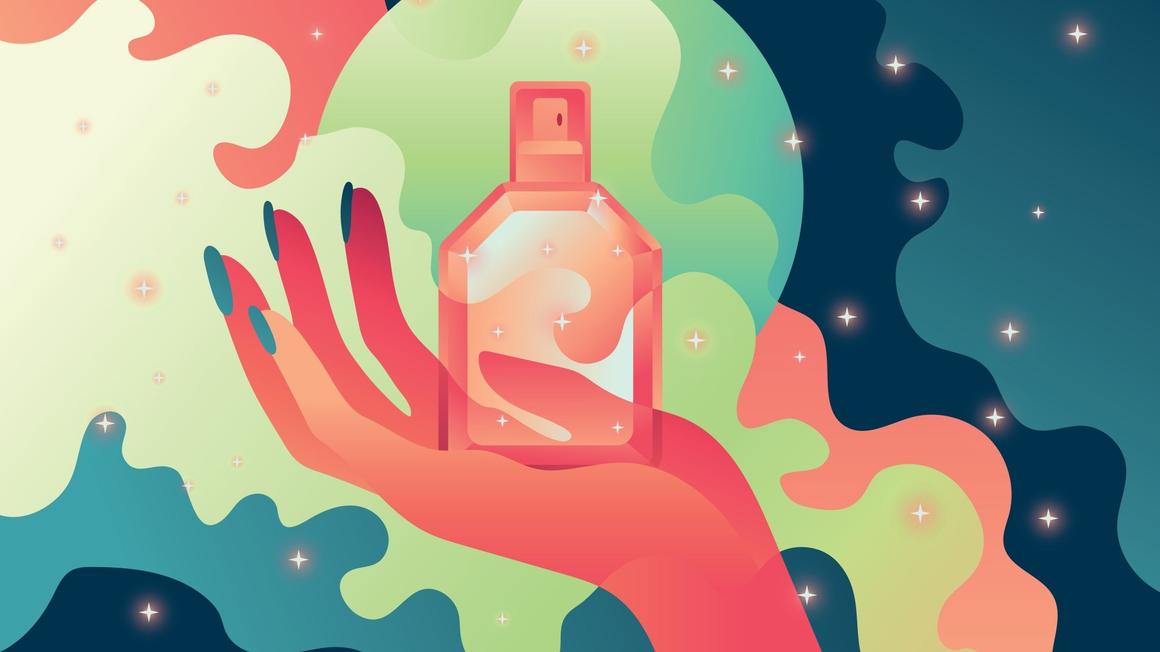
But there is a paradox: at the same time, they often willingly allow themselves small pleasures. They buy takeaway coffee on the way to work, even though making the same drink at home would be much cheaper; they own entire collections of scented candles; they carry an expensive hand cream in every bag; or they treat themselves to dessert after work simply because "the day was hard."
In market terms, this is a special consumption pattern that is still being studied today. For example, in 2025, the research center Circana found that almost half of Americans regularly seek out these small pleasures, while 62% consider them a form of self-care. The picture in Europe is similar: nearly half of consumers see snacks as part of a healthy lifestyle, while spending on various snacks instead of full meals has grown both in food service and retail.
From Sugar Sculptures on Banquet Tables to Luxury Lipstick in a Makeup Bag
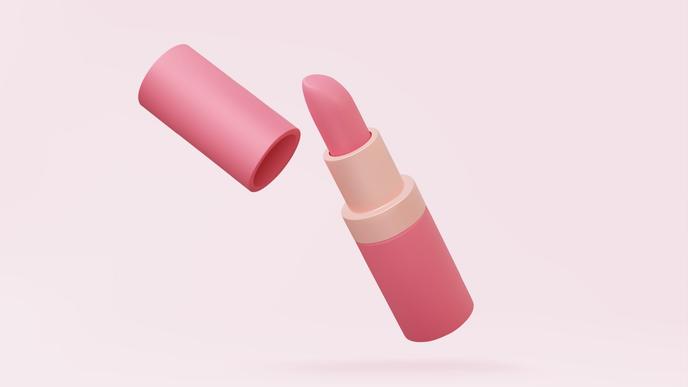
Although this trend became truly mass-market only relatively recently, it received its marketing name back in the 2000s: the "lipstick effect." The term was coined by Leonard Lauder of Estée Lauder, and its meaning is simple: during difficult periods, people give up large symbols of prosperity but continue buying small, affordable "pieces" of pleasure.
In the 2000s, this mainly referred to women and luxury cosmetics. By 2026, however, it is already about micro-luxury: a small purchase that does not destroy the budget but gives a person the feeling that life is still under control and that there is room not only for obligations, but also for aesthetics. And yes, the more anxious reality becomes, the stronger this trend grows - which says a lot about the time we are living in now.
In fact, the idea of small luxuries was born long before aesthetic TikTok unboxing videos. People have always looked for "accessible sources of pleasure." Researchers from the University of Sheffield, for instance, note that as early as the 18th century, even workers and domestic servants spent a noticeable share of their income on individual status or pleasurable items: clothing, watches, decorative objects, and porcelain tableware.
Sugar, coffee, tea, and chocolate were also once luxuries in themselves - not only because of their price, but also because of the rituals built around them, such as tea ceremonies and formal evening gatherings. In the Habsburg monarchy, sugar was such a high-status product that it was used to create courtly table decorations, while sweetening hot drinks was considered a sign of luxury.
In other words, what is new today is not the pursuit of micro-luxury itself, but the scale of the trend and how beautifully and quickly the market has learned to monetize, package, and sell it.
From a psychological point of view, this mechanism is quite easy to understand. In periods of uncertainty, a person looks for something they can control right here and now: a taste, a scent, a texture, or a simple ritual that provides a sense of "instant reward." Micro-luxury offers quick and concrete confirmation: "I may not be able to change my whole life right now, but I can make this day at least a little more pleasant."
It works as a way to reduce inner tension and get a quick dopamine hit without major consequences. That is why this is not just about purchases as such, but about rituals: a morning matcha latte, an expensive night cream, one beautiful collectible object in an ordinary room, or a taxi ride home with headphones instead of public transport. Incidentally, Euromonitor notes that in 2025, fragrance became one of the key segments of "affordable luxury" and one of the growth drivers in the beauty industry.
At the same time, micro-luxury is not always a sign of childishness or poor money management, as moralists and "opponents of consumer culture" like to claim. Sometimes it is a perfectly rational strategy. A person does not buy a bag for two thousand euros, but buys a wallet for thirty. They do not go on an expensive vacation, but they drink premium coffee grown in different countries and try a new one each time. They do not renovate the entire apartment, but they buy an antique cabinet that changes the atmosphere of the interior.
There is not only weakness in the face of marketing here, but also logic: if major comfort is currently unavailable, then instead of saving, saving, saving and waiting, people begin assembling that comfort from small pieces, gradually.
What Micro-Luxury Looks Like Today
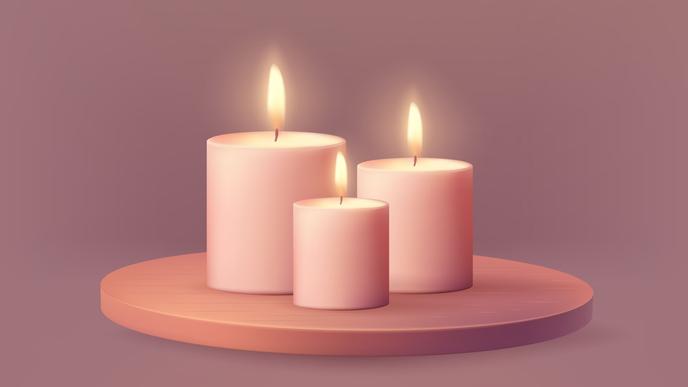
Everyone has their own list of accessible and desirable micro-luxuries, but the items on those lists usually have something in common. Micro-luxury is never a major purchase; it is a small upgrade to everyday life. It must meet several criteria at once: provide bodily pleasure, offer aesthetic pleasure, create a sense of reward, and be associated with a brief break from anxious events.
Micro-luxury can include things that may seem useless in everyday life at first glance and are often labeled a "waste of money." For example:
-
Coffee that is "better than usual": specialty beans, a beautiful mug, matcha, syrup, or a milk frother.
-
Small beauty and care products: lip balm, body mist, face masks, hand creams, mini perfumes, and body sprays.
-
Home fragrances: candles, room sprays, diffusers, and linen sachets.
-
Small gastronomic rewards: dessert, chocolate with freeze-dried berries, expensive natural yogurt, or handmade pastries from a bakery.
-
One "expensive" object in an ordinary setting: a Chinese porcelain mug, a heavy towel, silk pajamas, a ruffled pillow, an alpaca-wool blanket, silver cutlery, or a digital painting.
-
Things that make routine slightly more ceremonial and less boring: a branded water thermos, a gold-plated fountain pen, designer house slippers, or a fish-shaped waffle maker.
Why does this work? Because micro-luxury is almost always built into a recurring scenario. You have not simply bought a beautiful thing once - you have made every evening, every morning, every commute, every shower, or every coffee break a little more pleasant. As a result, a small object produces a disproportionately large emotional payoff.
A single room spray or a good hand cream begins to feel like proof that "there is at least something good and truly mine in my life." However, this strategy has both a bright and a dark side.
What is good about it:
-
It gives a sense of control in unstable times.
-
It helps relieve stress in small doses without major spending.
-
It makes everyday life less gloomy and more personal.
-
It supports mood and psychological comfort through small recurring rituals.
-
It allows people not to give up pleasure entirely, even when the budget is limited.
What it can turn into:
-
A person starts treating fatigue only with purchases and fails to notice that the problem runs deeper.
-
"Small" expenses can add up to very large amounts.
-
Pleasure becomes too short-lived, and the person constantly wants to increase the dose through more frequent or larger purchases - that is simply how our brain and the dopamine mechanism work.
-
The market quickly learns to sell not a product, but an emotional crutch.
-
Instead of real rest, a person buys an imitation of it - beautiful, fragrant, photogenic, but not actually bringing them closer to the real goal, such as improving quality of life.
Lectera’s Online Courses by topic
Micro-Luxury as a Full-Fledged Business Niche
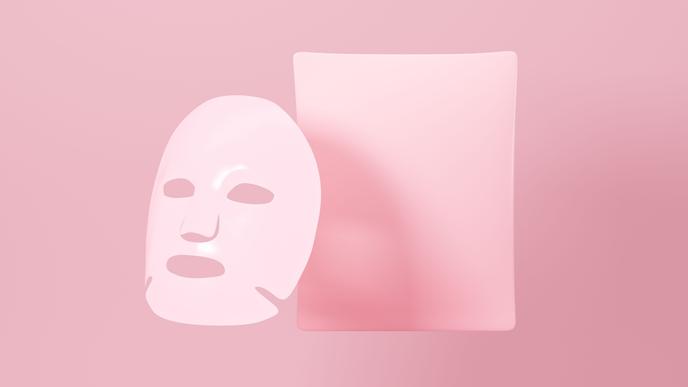
For businesses, micro-luxury is almost an ideal territory. It sits between the mass market and true luxury, works through emotion, easily fits into routines, and often does not require lengthy deliberation from the customer. A person may postpone buying a new sofa for a long time, but quickly agree to buy a good room spray, body spray, set of mini products, or "small gift for myself."
That is why brands are increasingly trying to occupy this intermediate space: not selling grand luxury, but offering its smaller, portable, everyday version.
The fragrance market is a very telling example. In 2025, Euromonitor wrote that fragrance was forecast to account for 23% of the total growth of the beauty sector between 2024 and 2029, while premium and luxury players were increasingly entering "adjacent scent" products as a more affordable entry point for price-sensitive buyers.
This explains the growth of body sprays, sets, mini versions, fragrance-layering products, beautiful packaging, and everything that allows a person to touch a premium experience without making a major purchase.
Jo Malone is a good example of how a brand sells not a "room freshener," but a carefully packaged little fragment of a beautiful life. In 2026, the brand launched mini home sprays priced at £24 - a noticeably more accessible entry point into the brand's world than a large candle or a full home fragrance set. This is micro-luxury in its purest form: not an entire luxury interior, but one object designed to look beautiful in an ordinary apartment and make it feel slightly more "expensive." The brand itself even calls part of its assortment "Little Luxuries."
Premium beverages and "small gastronomic raids" work in the same way. In 2026, FoodNavigator wrote about growing interest in premium drinks as a form of affordable luxury, while Mintel noted that takeaway food in Germany is gaining strength partly because people are looking for convenience and accessible pleasure without the cost of a full night out. Small size, trial sets, limited editions, beautiful rituals, premium packaging, tactility, and photogenic appeal - all of this becomes part of the value.
If you want to build your product into this trend, do not start with the question, "What else can we package more expensively?" Start with: what small but tangible upgrade to everyday life can we actually give a person?
Ask yourself as well: does your product make a daily routine more pleasant, softer, or more beautiful? Does a person want to use it not only for practical benefit, but also for the feeling itself? Can it be turned into a small ritual? Does it have a "reward moment" - that very effect when a person thinks, "That was nice"? And finally, do expectations match the quality, and does the quality match the price? Because micro-luxury is not sold through expensiveness, but through a certain sense of "elitism." As a rule, micro-luxury should have a full-size version; otherwise, it is simply a trinket.This strategy also works well in home goods, stationery, sleepwear, wellness products, textiles, accessories, and even everyday household items. The logic is the same everywhere: take an ordinary action and make it not merely functional, but slightly special in appearance, scent, or taste.
It is very important that the product evokes associations with the best version of the life a person has right now - that it creates immersion, atmosphere, and improved well-being, while still remaining accessible, including in terms of price.
That is the essence of micro-luxury. Formally, we are talking about small things, but today it is precisely these small things that best reveal what people are missing in everyday life. Tangible sources of pleasure - compact and easily reachable - may be an illusion from the point of view of progress and movement toward goals, but at the same time they are a highly effective mechanism of emotional and psychological self-regulation. Not to mention how profitable this is for business.
Share this with your friends via:
Latest News

Fall 2026 promises to be an eventful season for education worldwide.

Tickets for WE Convention 2026 are now available - with 25% off for EARLY BIRDS!

The private school Alpha School, which has opened campuses from New York to California, uses AI bots to teach children academic subjects for just two hours a day. The school has no traditional teachers, no homework, and tuition reaches $65,000 per year.

UK Prime Minister Keir Starmer has announced a major public-private partnership in the field of artificial intelligence. Google, Microsoft, Amazon and NVIDIA, together with the government, are launching an AI skills training programme for 7.5 million British workers.

International educational programmes provider Study Group has announced a change of ownership. The company has been acquired by Arete Education – an investment structure in the higher education sector created by Global University Systems (GUS) and US private investment firm Brightstar Capital Partners.
